Download the eBook
Explore six key considerations for evaluating cybersecurity protection for your organization.
A practical cybersecurity checklist

Understand how attackers exploit trusted tools and credentials-- and how behavioral AI can help.
Why traditional antivirus may fall short

Follow a real-world example of how a single email can lead to broader compromise.
How modern attacks unfold

See how attackers use AI to accelerate phishing, reconnaissance, and other techniques.
How AI is changing cybercrime

Protecting the teachers, clerks, and staff who keep communities running.
Public Employees

Keeping emergency communications and dispatch systems running when every second counts.
First Responders

Protecting essential services from utilities and licensing to public benefits.
Residents

Keeping classrooms open and student records safe.
Students & Families
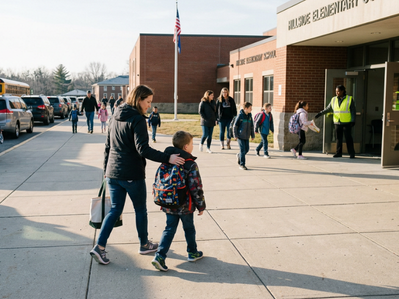

Learn how AI is changing cybercrime and discover practical considerations for protecting your agency, school, or institution.
Get the free eBook
Get practical insights from CrowdStrike to help your organization make more informed cybersecurity decisions, strengthen its defenses, and protect the services your community relies on.
05 / INSIDE THE EBOOK
GO BEYOND THE THREATS.
THE BIGGER RISK
INDIVIDUAL BLIND SPOTS. ONE ATTACK SURFACE.
Adversaries move across trusted environments, making malicious behavior harder to distinguish from everyday activity, inside the systems residents and students rely on.

Aging devices in schools, libraries and field offices can create paths around endpoint defenses.
BLIND SPOTS
04 / UNMANAGED

Disconnected controls can leave resident and student data out of view.
CLOUD
03 / WORKLOADS

Payroll, permitting and learning platforms can conceal malicious activity.
SAAS
02 / APPLICATIONS

A compromised staff login can look like legitimate access to student records or case files.
IDENTITY
01 / ACCESS

03 / THE EVASIVE PLAYBOOK
CAN YOU SEE WHERE ATTACKERS HIDE?
Today's attackers don't always need to break through your defenses. They can exploit the identities, applications and infrastructure your agency or campus already trusts.
AVERAGE eCRIME BREAKOUT TIME
THE WINDOW TO RESPOND IS SHRINKING.
SOURCE: CROWDSTRIKE 2026 GLOBAL THREAT REPORT | P. 11
Average breakout time fell from 84 minutes in 2022 to just 29 minutes in 2025.
2025
2024
2023
2022
of detections were malware-free
Up from 51% in 2020.
That's less time than a single class period or a city council meeting.
Average eCrime breakout time
65% faster than the prior year.
Less time between one stolen password and a citywide outage.
Year over Year.
More convincing phishing aimed at teachers, clerks, and staff.
Increase in AI-enabled attacks
Public-sector cybersecurity isn't just about protecting servers and data. It's about protecting the people who depend on your services every day.
BEHIND EVERY SYSTEM IS SOMEONE COUNTING ON IT.
04 / WHO YOU'RE PROTECTING
Key findings public-sector leaders should consider when evaluating cybersecurity readiness. These figures reflect CrowdStrike observations from 2025.
THE THREAT IS CLOSER THAN YOU THINK.
02 / THREAT LANDSCAPE BY THE NUMBERS
01 / WHY THIS MATTERS TO YOUR COMMUNITY
TODAY'S ATTACKERS DON'T NEED TO BREAK IN.
They log in. In 2025, adversaries increasingly abused legitimate credentials, trusted software and everyday cloud services to blend into normal operations.
The result: threats that are harder to recognize and faster to act.
When a public network goes down, it isn't just data at risk. It's a delayed ambulance, a canceled school day, a family that can't pay a utility bill or renew a license.
AI is helping cybercriminals launch faster, more sophisticated attacks. For schools, government agencies, and public institutions, the risks go beyond compromised data to the people and essential services your community depends on.
Discover how modern attacks unfold, why traditional defenses may fall short, and what to look for in effective cybersecurity protection.
THE THREATS YOU CAN'T SEE.






Download the eBook
Explore six key considerations for evaluating cybersecurity protection for your organization.
A practical cybersecurity checklist

Understand how attackers exploit trusted tools and credentials-- and how behavioral AI can help.

Why traditional antivirus may fall short
Follow a real-world example of how a single email can lead to broader compromise.
How modern attacks unfold

See how attackers use AI to accelerate phishing, reconnaissance, and other techniques.

How AI is changing cybercrime
Get practical insights from CrowdStrike to help your organization make more informed cybersecurity decisions, strengthen its defenses, and protect the services your community relies on.
GO BEYOND THE THREATS.
05 / INSIDE THE EBOOK
Protecting the teachers, clerks, and staff who keep communities running.
Public Employees

Protecting essential services from utilities and licensing to public benefits.
Residents

Keeping emergency communications and dispatch systems running when every second counts.
First Responders

Keeping classrooms open and student records safe.
Students & Families
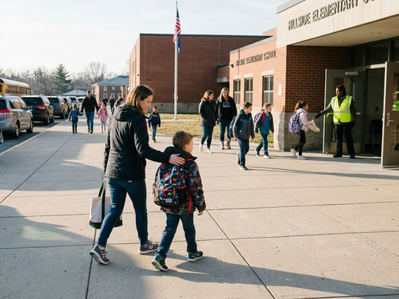
Public-sector cybersecurity isn't just about protecting servers and data. It's about protecting the people who depend on your services every day.
BEHIND EVERY SYSTEM IS SOMEONE COUNTING ON IT.
04 / WHO YOU'RE PROTECTING
Aging devices in schools, libraries and field offices can create paths around endpoint defenses.
BLIND SPOTS
04 / UNMANAGED

Disconnected controls can leave resident and student data out of view.
CLOUD
03 / WORKLOADS

Payroll, permitting and learning platforms can conceal malicious activity.
SAAS
02 / APPLICATIONS

01 / ACCESS

A compromised staff login can look like legitimate access to student records or case files.
IDENTITY
Today's attackers don't always need to break through your defenses. They can exploit the identities, applications and infrastructure your agency or campus already trusts.
CAN YOU SEE WHERE ATTACKERS HIDE?
03 / THE EVASIVE PLAYBOOK

Up from 51% in 2020.
That's less time than a single class period or a city council meeting.
of detections were malware-free
65% faster than the prior year.
Less time between one stolen password and a citywide outage.
Average eCrime breakout time
Year over Year.
More convincing phishing aimed at teachers, clerks, and staff.
Increase in AI-enabled attacks
Key findings public-sector leaders should consider when evaluating cybersecurity readiness. These figures reflect CrowdStrike observations from 2025.
THE THREAT IS CLOSER THAN YOU THINK.
02 / THREAT LANDSCAPE BY THE NUMBERS
TODAY'S ATTACKERS DON'T NEED TO BREAK IN.
01 / WHY THIS MATTERS TO YOUR COMMUNITY
They log in. In 2025, adversaries increasingly abused legitimate credentials, trusted software and everyday cloud services to blend into normal operations.
The result: threats that are harder to recognize and faster to act.
When a public network goes down, it isn't just data at risk. It's a delayed ambulance, a canceled school day, a family that can't pay a utility bill or renew a license.
Learn how AI is changing cybercrime and discover practical considerations for protecting your agency, school, or institution.
Get the free eBook
AI is helping cybercriminals launch faster, more sophisticated attacks. For schools, government agencies, and public institutions, the risks go beyond compromised data to the people and essential services your community depends on.
Discover how modern attacks unfold, why traditional defenses may fall short, and what to look for in effective cybersecurity protection.
THE THREATS YOU CAN'T SEE.